Painting With a Stick
08 Oct 2025
Learning the Basics
Learning HTML and CSS for the first time was a completely different experience from any other programming language. Rather than thinking of how to optimize the program or trying to devise clever ways to get to the solution, with HTML and CSS, it goes to a completely different side of software development, which is more on the side of creativity. When creating webpages, you start with a blank canvas of a web page, gradually filling it line by line with HTML and CSS, and eventually, you get a complete website. All of HTML and CSS is about graphics, design, and creativity. However, oftentimes your creative vision doesn’t translate well to the canvas, especially when working with raw HTML and CSS.
Painting With a Stick
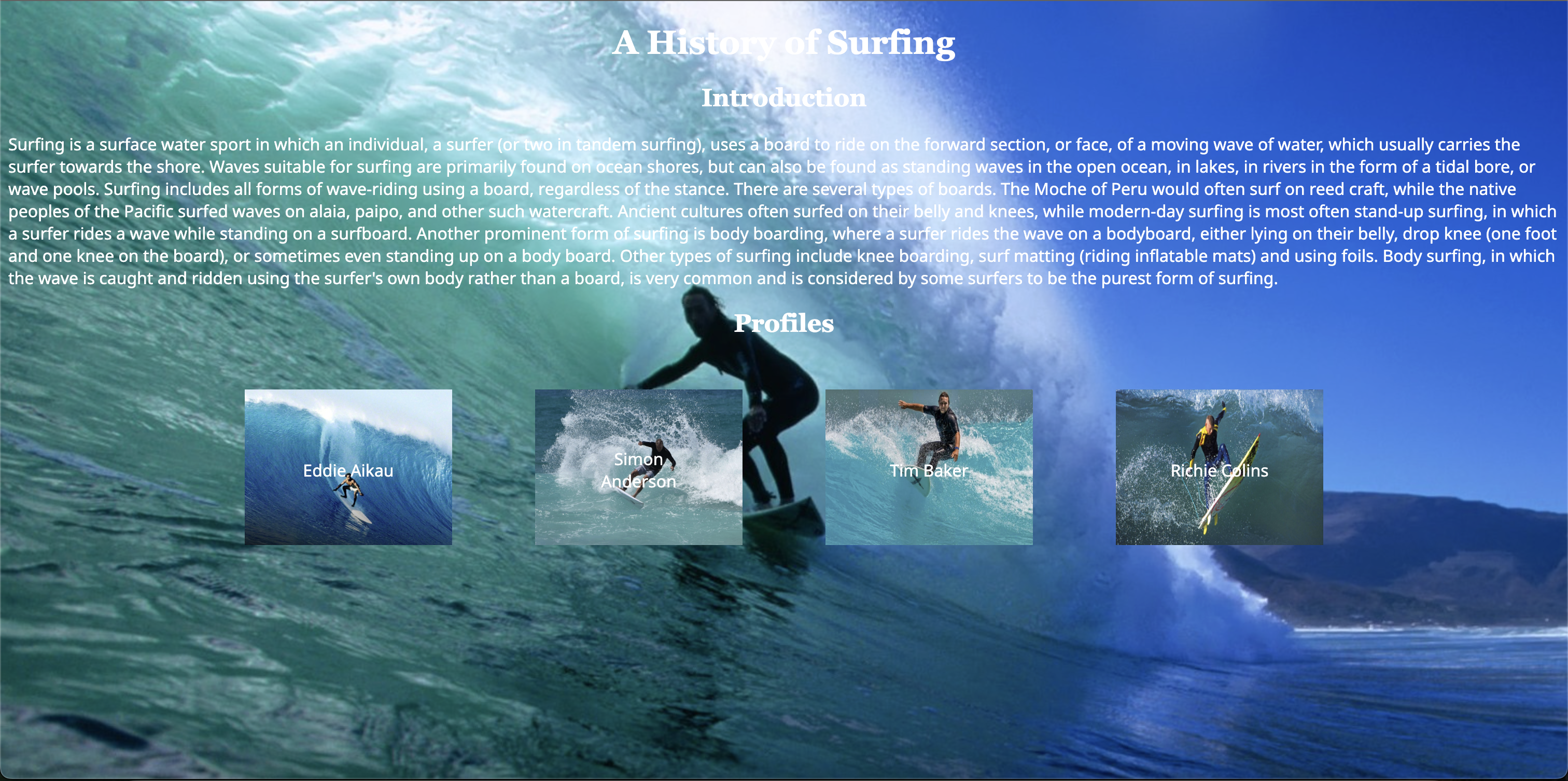
Using HTML and CSS is a lot like trying to draw something, but all you are given is a stick and some dirt. Of course, if you’re really good, you can probably make something out of it, but most of the time, you are left with a barebones imitation of what you envisioned. Using raw HTML and CSS lets you get the general idea of what kind of information you want to be displayed; however, it takes a lot of time and effort in order to make it look pretty.
Here’s a picture of a website made without Bootstrap.
Getting An Upgrade
Using Bootstrap 5, on the other hand, was like getting a canvas and a set of watercolors. With Bootstrap, you’re able to create so much more with a lot less time and effort. Using preset items like containers, navbars, and built-in features that allow you to adjust padding and margins lets you create a webpage way easier than with raw HTML and CSS. It gives you a lot more tools to work with, which not only saves you time but also allows you to have better control over what you want to show the user.
Here’s a picture of a website made WITH Bootstrap.

Why Frameworks?
Even with all the new features of Bootstrap, however, I still had a difficult time adjusting at first. There are a lot of different and new commands that you need to learn in order to effectively create a nice webpage with navbars, footers, and buttons. However, once I got past that, I was able to create great webpages way easier than with just regular HTML and CSS. I realized that UI frameworks give you more control over what exactly you want to put out, and therefore let you bring your vision to life. UI frameworks allow you to put less time and effort into making something look pretty, and lets you spend more time focusing on things like the backend. Using frameworks instead of raw HTML and CSS is like instead of trying to create a masterpiece with just a stick, you’re given a multitude of paintbrushes and colors to make something nice. For software engineering, while both the user interface and back end are equally important, frameworks help streamline the process of connecting the front to the back, and overall help create a better experience for both the user and the engineer. **